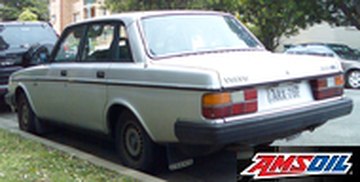
Engine Oil Maintenance for the 1983 Volvo 245 2.3L
Maintaining the engine lubrication system is a fundamental aspect of vehicle upkeep. For this specific 1983 Volvo 245 with the 2.3L engine (B23F), selecting the correct oil viscosity and monitoring fluid health helps maintain the mechanical integrity of the engine components.
What oil does my 1983 Volvo 245 2.3L take?
The following 10W-30 options are listed for this vehicle: Signature Series 10W-30 Synthetic Motor Oil (ATMQT-EA), XL 10W-30 Synthetic Motor Oil (XLTQT-EA), and OE 10W-30 Synthetic Motor Oil (OETQT-EA).
Understanding Viscosity Ratings
Viscosity refers to a fluid's resistance to flow. In the context of engine oil, the numbers provided in the viscosity grade indicate how the oil behaves at different temperatures. The first number represents the oil's flow characteristics during cold starts, while the second number indicates its stability and thickness as the engine reaches operating temperature. Using the 10W-30 grade listed for this application ensures that the lubrication properties align with the requirements established for this specific engine configuration.
Monitoring Oil Levels
Regularly checking the oil level is a primary maintenance task. Owners should perform this check when the vehicle is parked on level ground and the engine has been allowed to cool or has sat for a sufficient amount of time to allow oil to settle in the pan. Using the dipstick provided in the engine bay, you can verify if the fluid level falls within the designated operating range. If the level is low, adding more of the listed 10W-30 oil is necessary to prevent mechanical strain.
Identifying Oil Contamination
The physical appearance and smell of the engine oil can provide information regarding the internal state of the engine. While oil naturally darkens over time due to heat and the accumulation of microscopic combustion byproducts, extreme discoloration or a gritty texture may indicate issues. Additionally, if the oil has a strong scent of fuel, it could suggest that unburned fuel is entering the crankcase, which can dilute the oil and reduce its effectiveness. If any unusual changes in the fluid's appearance or odor are noted, a professional inspection is advisable.
Managing Oil Change Intervals
To maintain engine health, the oil must be replaced periodically to remove contaminants and replenish additive packages that may have depleted during use. Because specific mileage or time intervals for this vehicle are not provided in the technical documentation, you should follow the manufacturer's maintenance schedule found in your owner's manual. Adhering to these scheduled intervals helps prevent the buildup of sludge and ensures that the lubrication system remains efficient.
The Role of the Oil Filter
Every time the engine oil is changed, the oil filter should also be addressed. The filter is responsible for capturing particulates and debris within the circulating oil to prevent them from recirculating through sensitive engine components. A clogged or degraded filter can restrict oil flow or allow contaminants to bypass the filtration media. Always consult your owner's manual for the specific replacement procedure and any related maintenance requirements for this 2.3L engine.
What transmission fluid does my 1983 Volvo 245 2.3L take?
The following fluids are listed for this vehicle:
- Super Shift® Racing Transmission Fluid SAE 10W
- Signature Series Multi-Vehicle Synthetic Automatic Transmission Fluid
- OE Multi-Vehicle Synthetic Automatic Transmission Fluid
What coolant does my 1983 Volvo 245 2.3L take?
The following products are listed for this vehicle:
- ANTPC1G-EA — Passenger Car & Light Truck Antifreeze & Coolant
- ANT1G-EA — Low Toxicity Antifreeze and Engine Coolant
When should I change the oil in my 1983 Volvo 245 2.3L?
To determine the correct interval for an oil change, follow the owner's manual or the manufacturer maintenance schedule.
BUYING ENGINE OIL
When you are ready to purchase lubrication for your vehicle, look for the 10W-30 viscosity grade listed in your technical documentation. You can choose from various formulations such as the Signature Series, XL, or OE options provided in the application data. Ensure that any product you select is identified for use with your specific engine type to maintain consistent lubrication standards.